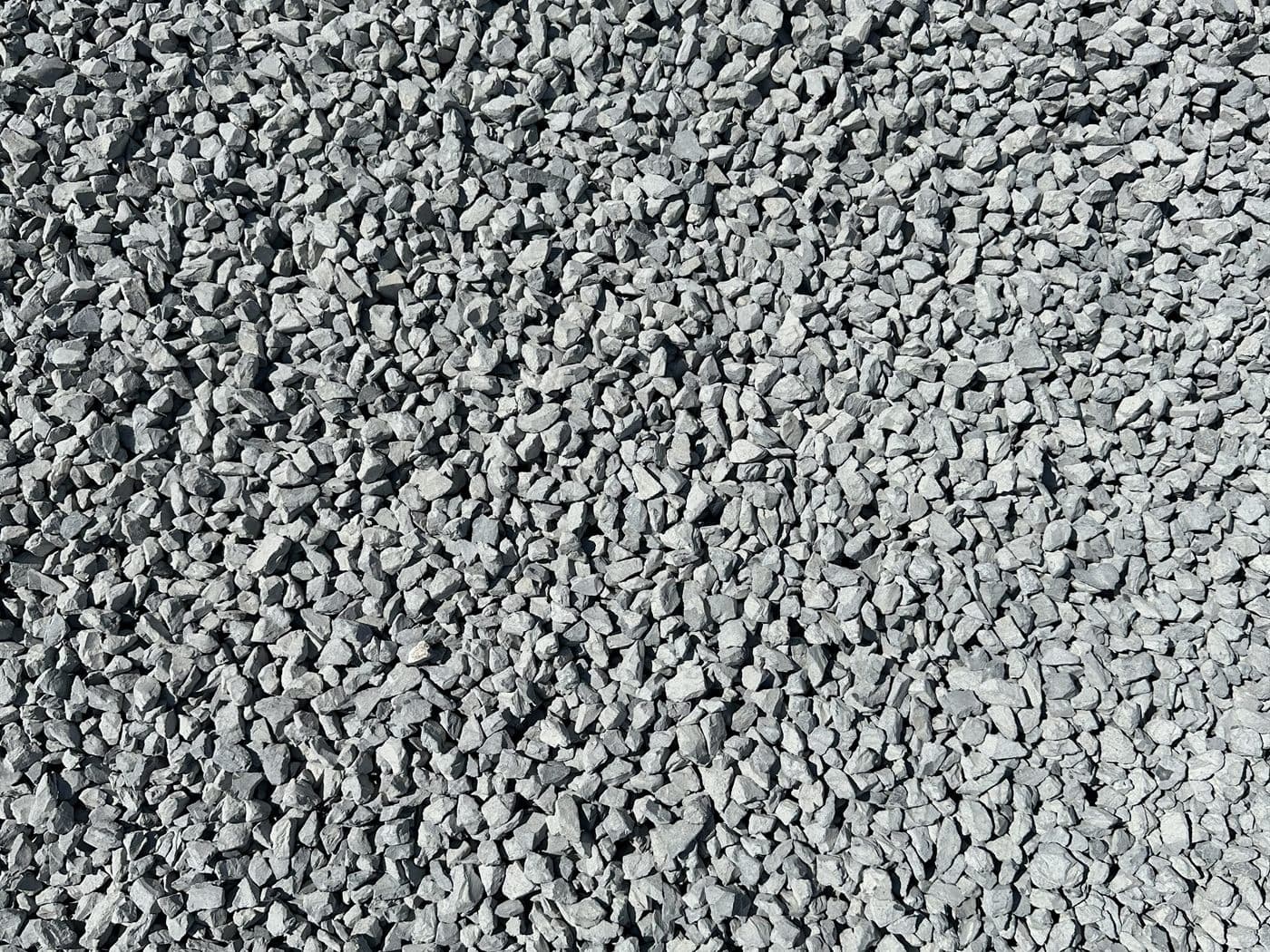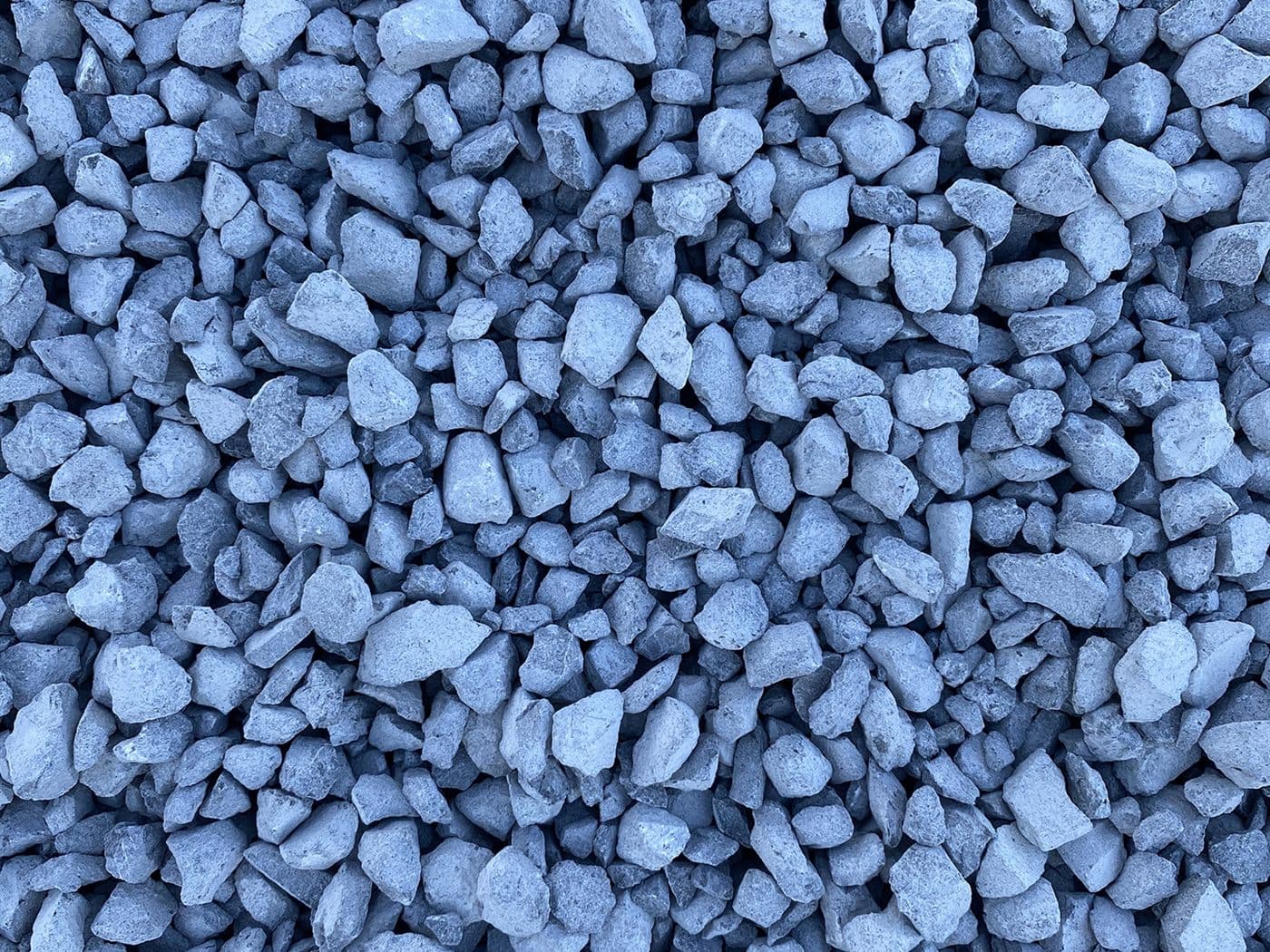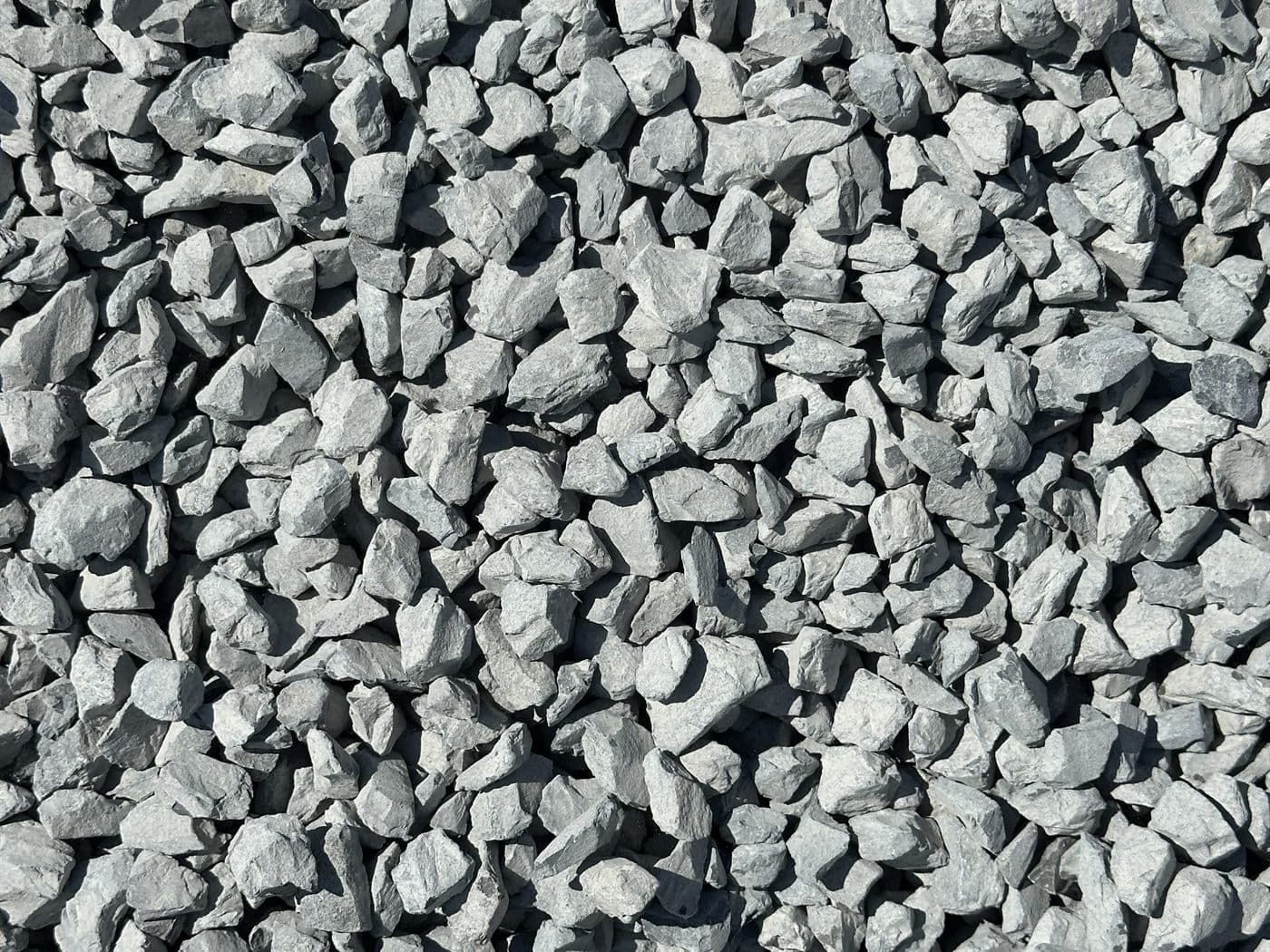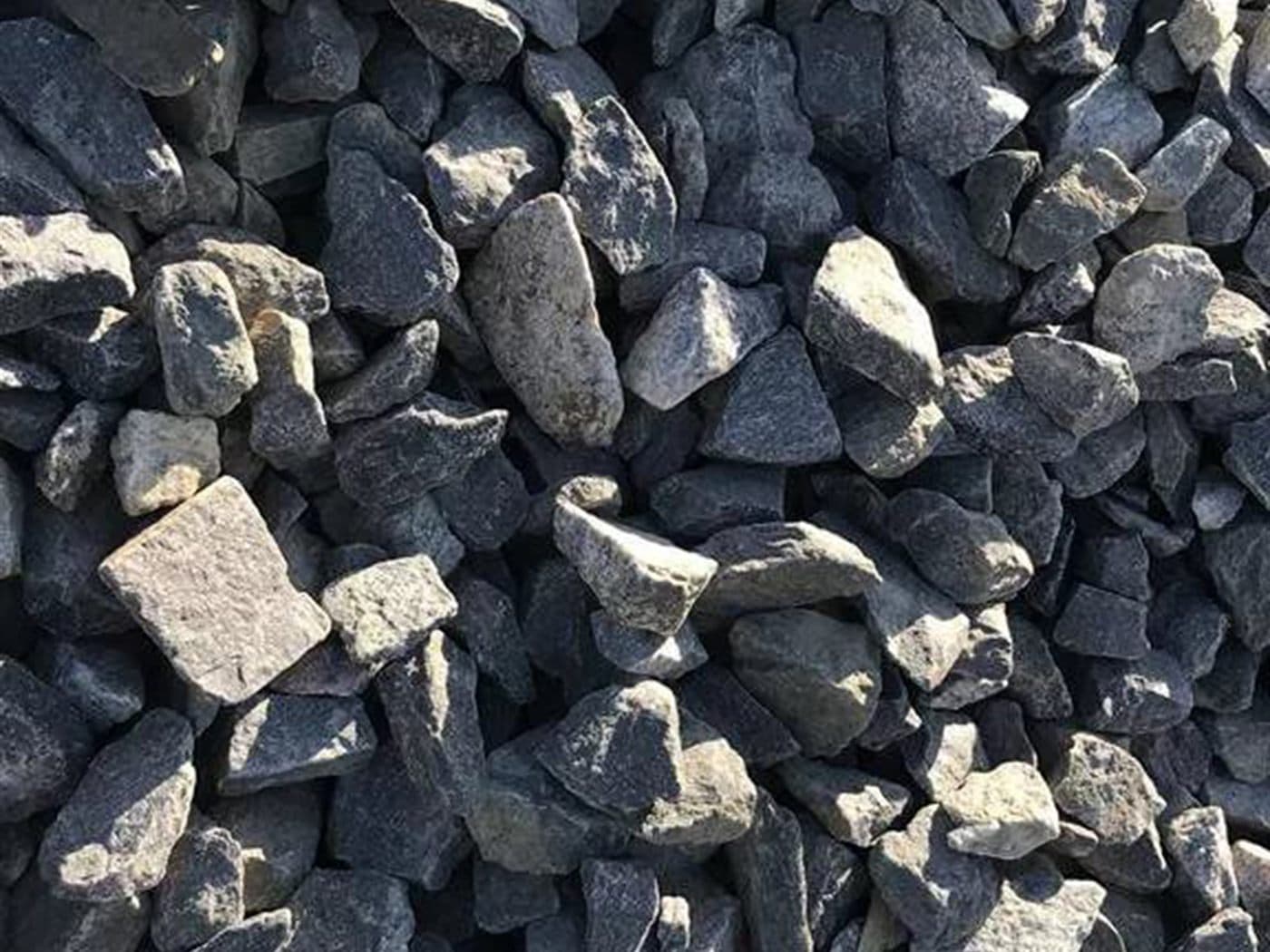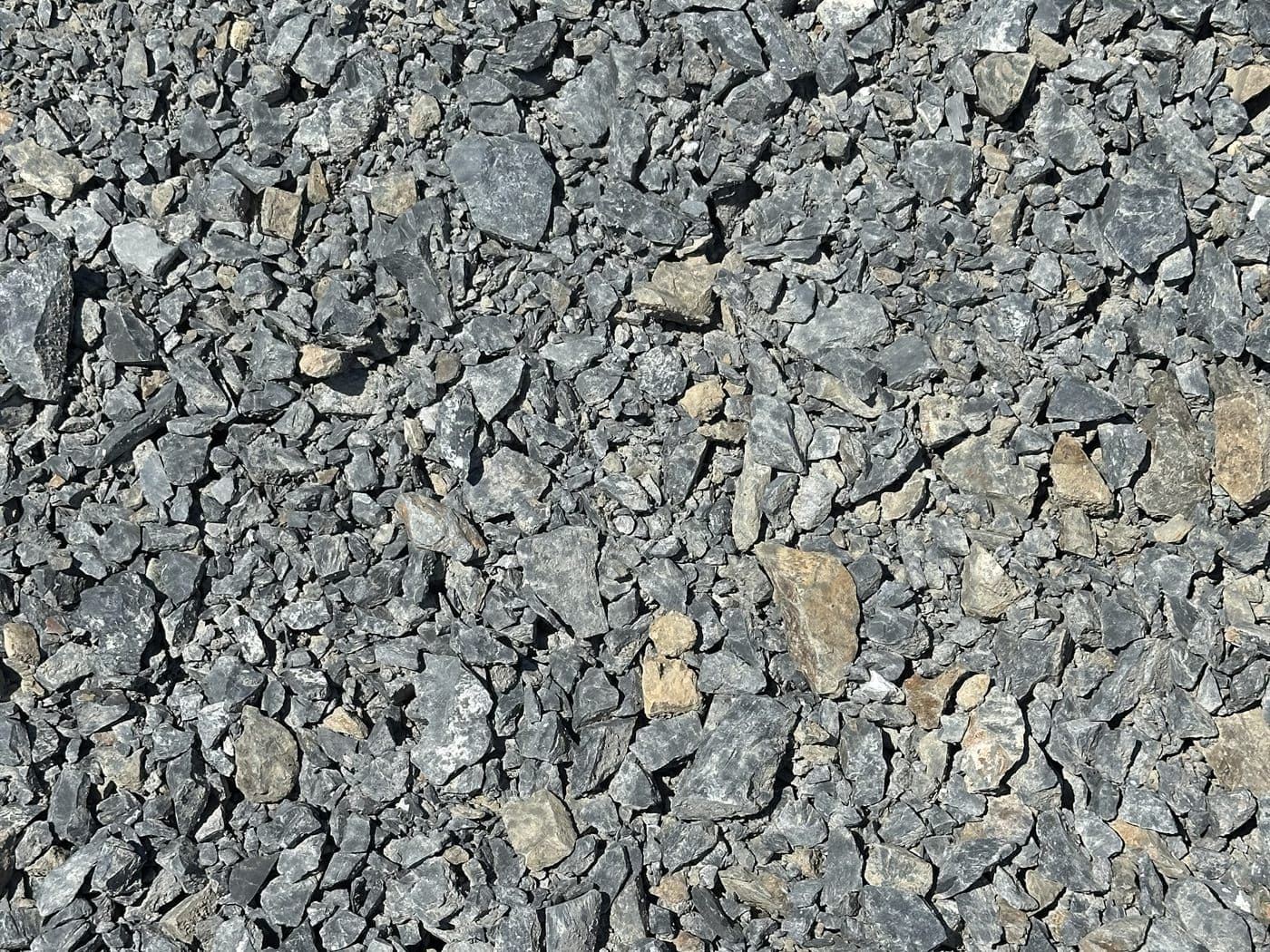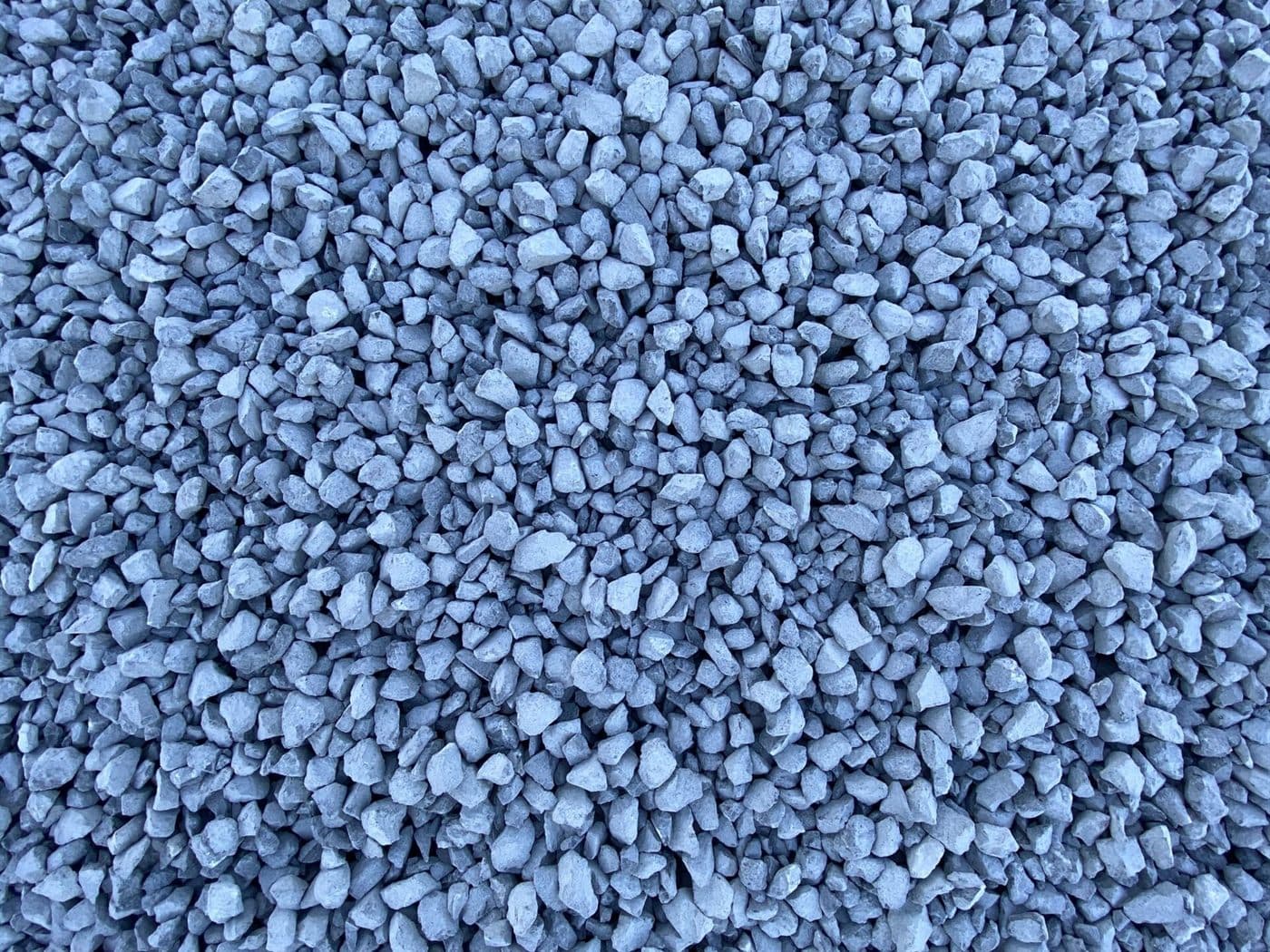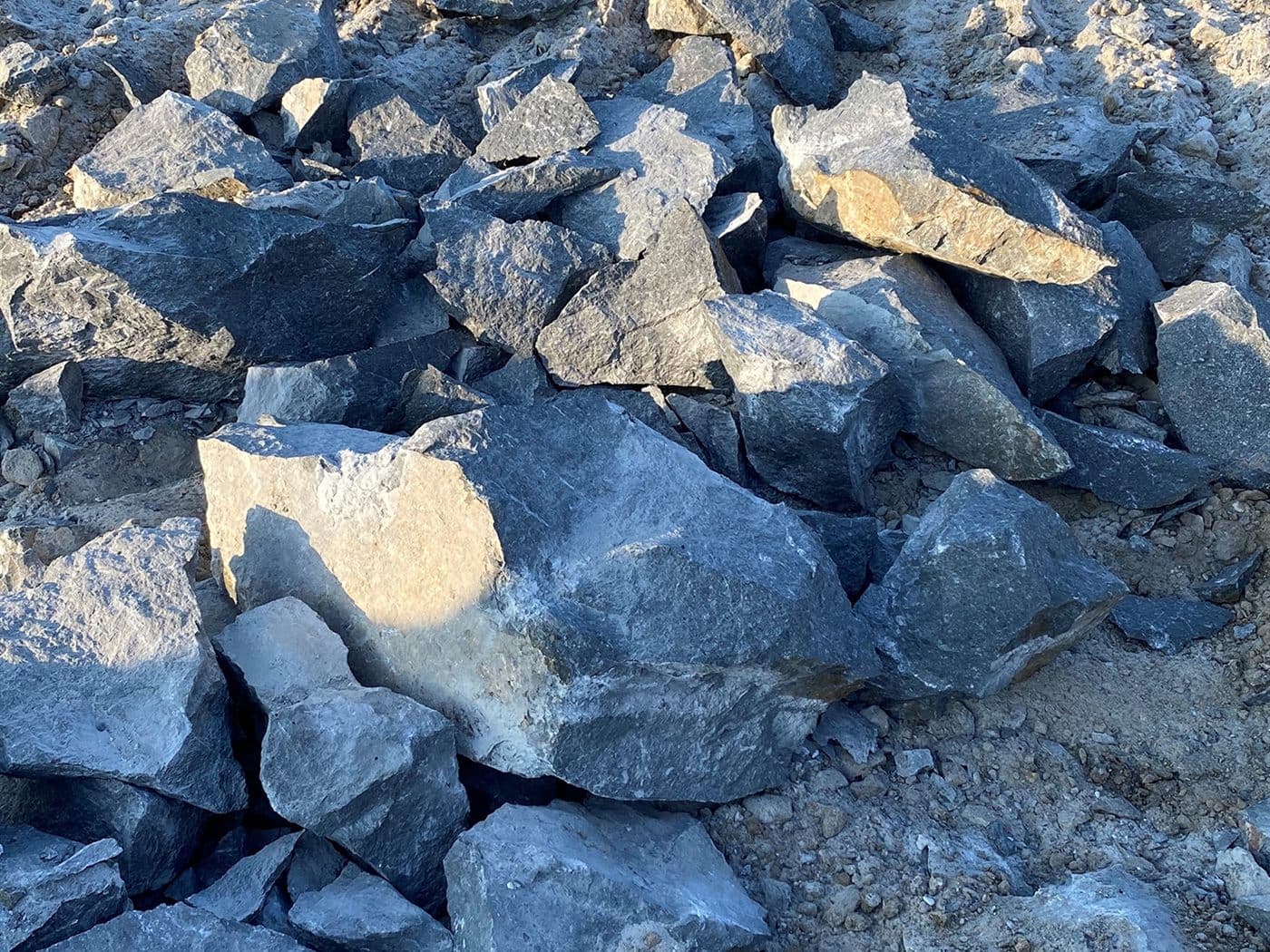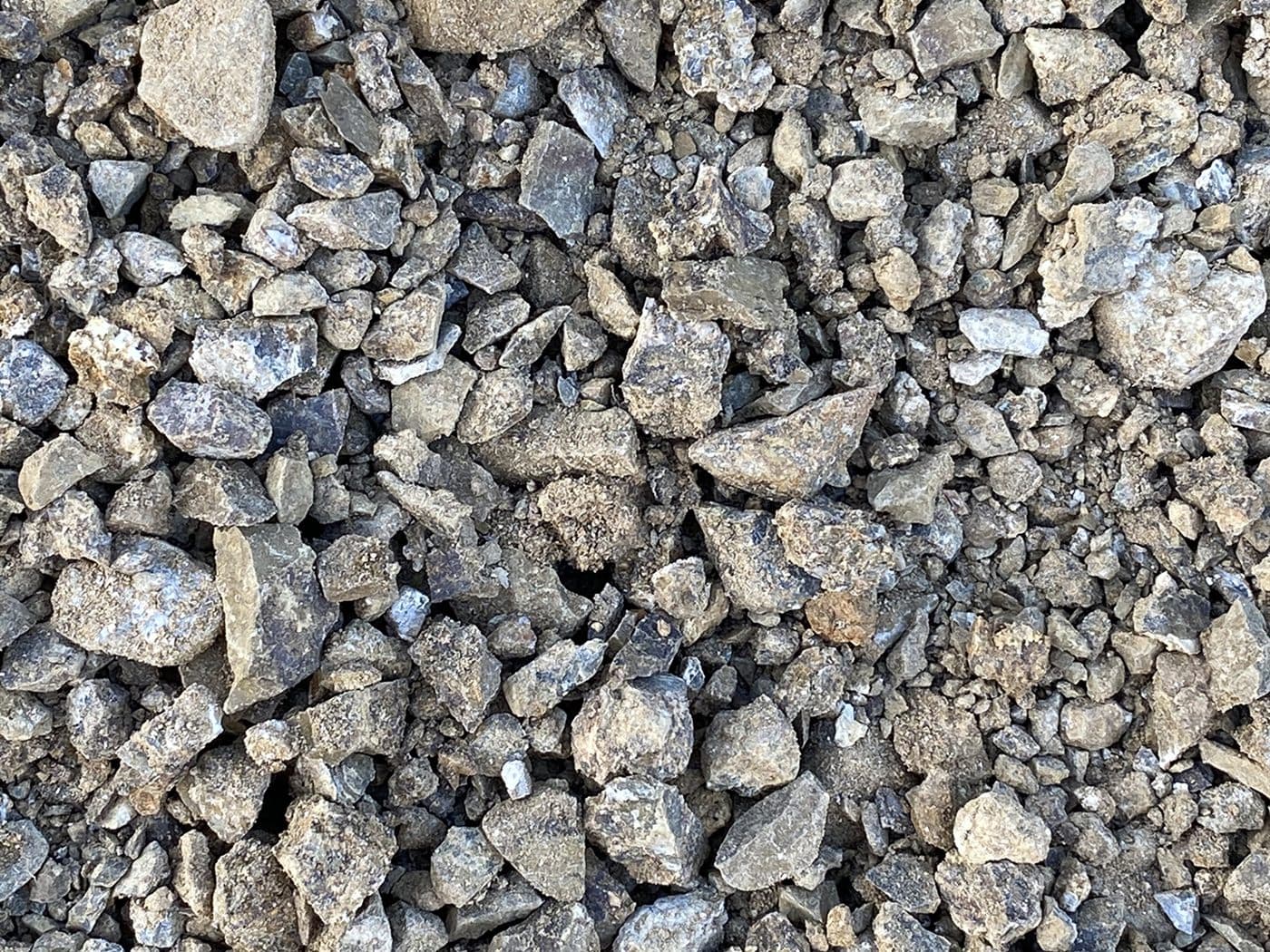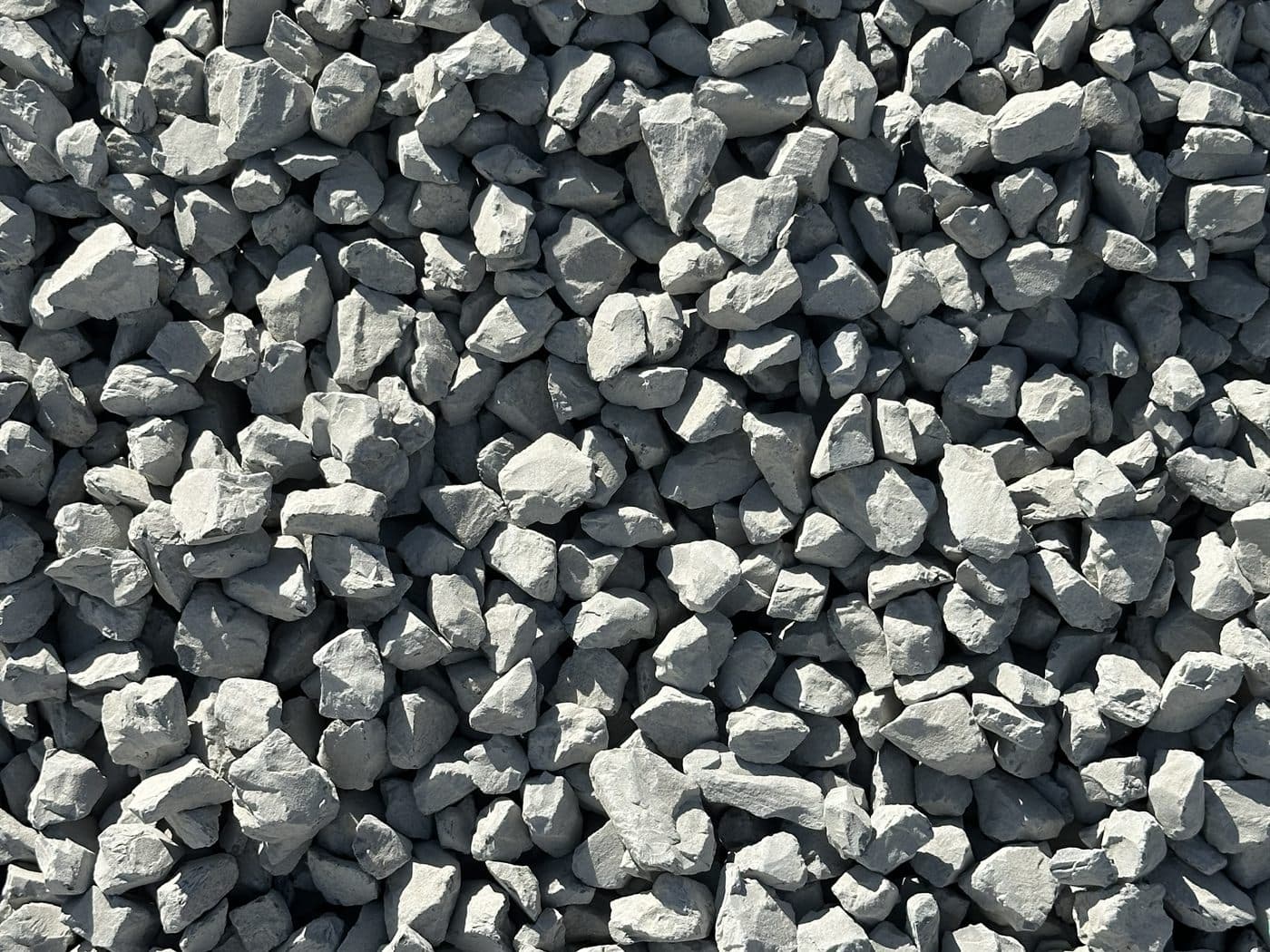
Crushed stone 10-20
The most widely used fraction. A general-purpose aggregate that suits both concrete and road layers, which is why most orders are for this one.
- Fraction, mm
- 10-20
- Bulk density
- 1.4 t/m³
- Shipping unit
- tonne
Crushed stone, sand, screenings and sand-gravel mix from two quarries in the Akmola region. The price is per tonne at the quarry — delivery is calculated by a manager from your address and volume.

The most widely used fraction. A general-purpose aggregate that suits both concrete and road layers, which is why most orders are for this one.

A fine fraction with even grain. It lays in a thin layer and compacts well where coarser stone simply will not fit.

A blend of the 5-10 and 10-20 fractions with near-cubical grain. Cubical grain packs more tightly and leaves fewer voids than flat grain.

The same 5-20 fraction, but with elongated, flaky grain. The shape makes it cheaper than the cubical version and suits jobs where volume matters more than compressive strength.

A coarse fraction for load-bearing layers. It carries load and lets water through, so it goes into the base rather than the top layer.

The coarsest fraction we sell. Chosen when the layer is thick and the load is heavy — finer stone would not hold such a layer.

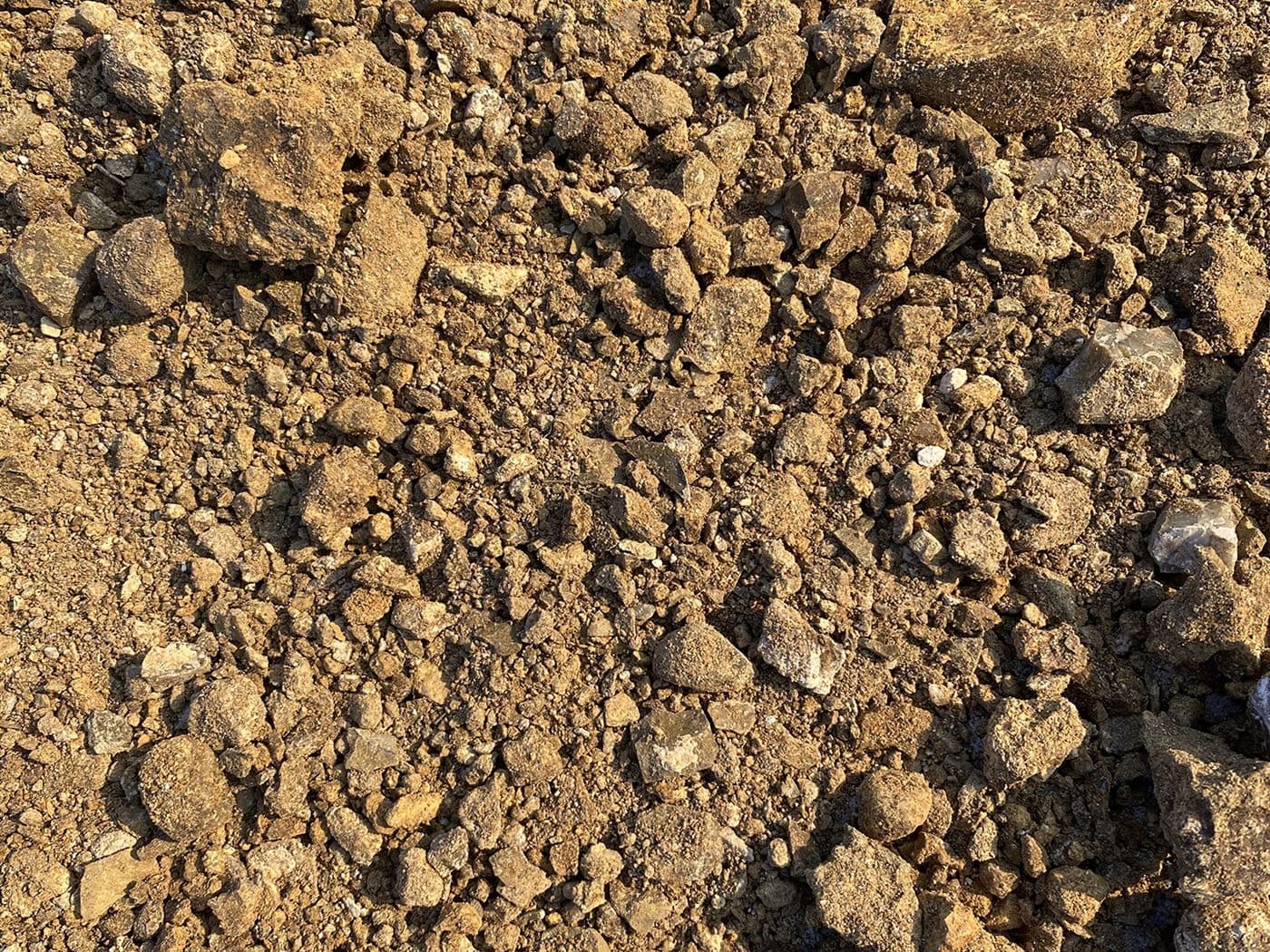
A crushed stone and sand mix: coarse grain together with fines and screenings. The range of grain sizes compacts into a dense layer with almost no voids.

A fine mix of stone and screenings. It goes on as the top levelling layer: once compacted it gives an even surface you can already walk and drive on.

The fine product of stone crushing. A cheap, dense bedding material for places that need a level bed rather than load-bearing capacity.

Large, irregular pieces of rock. It works both structurally and decoratively: in foundations, in gabion baskets or in landscaping.

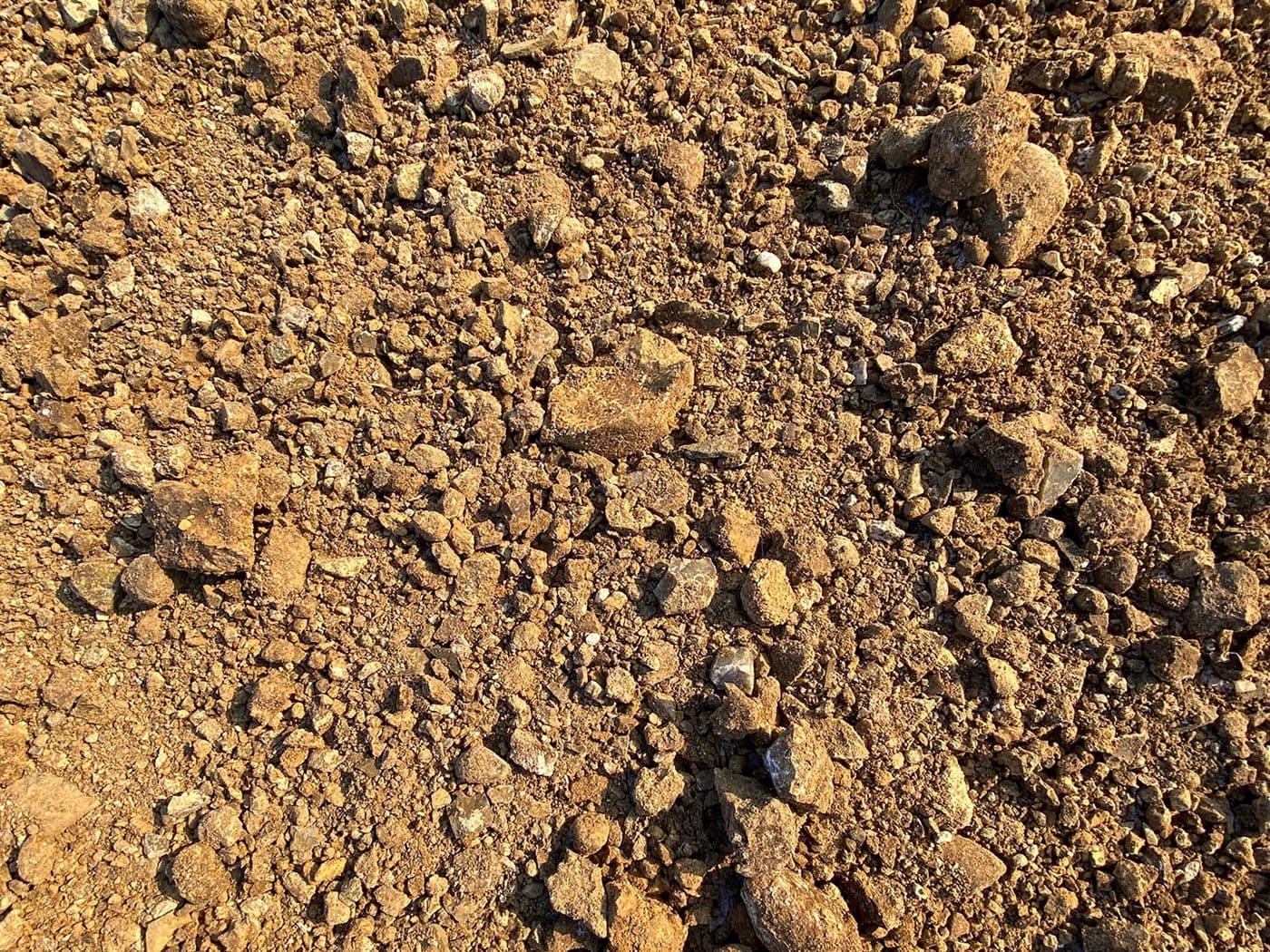
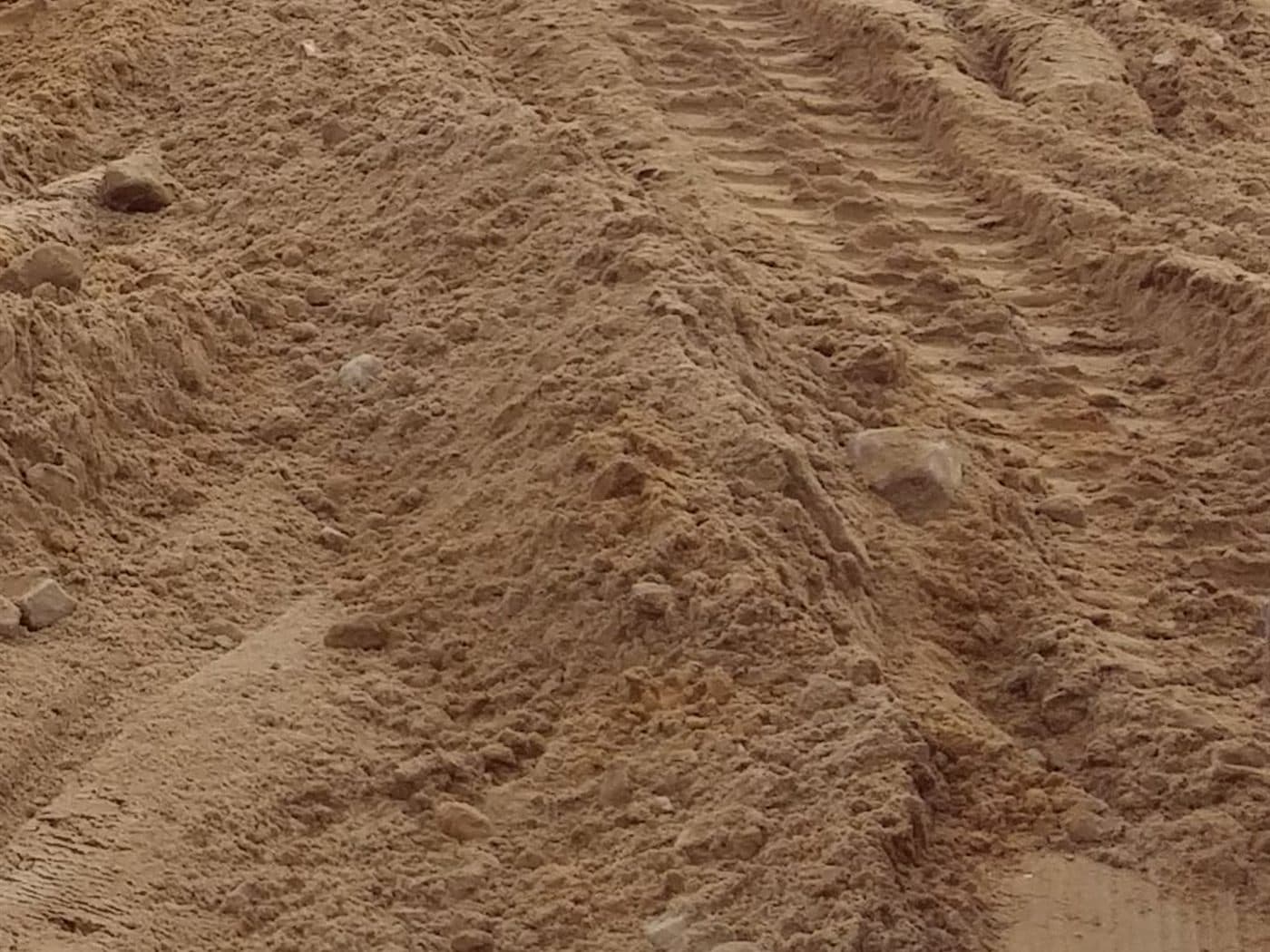
Loose, finely fragmented rock. The cheapest way to raise and level a plot while the finished layers are still a long way off.

A naturally graded sand and gravel mix. Bought by volume: to fill, to raise, to level — wherever the grade of the material does not matter.

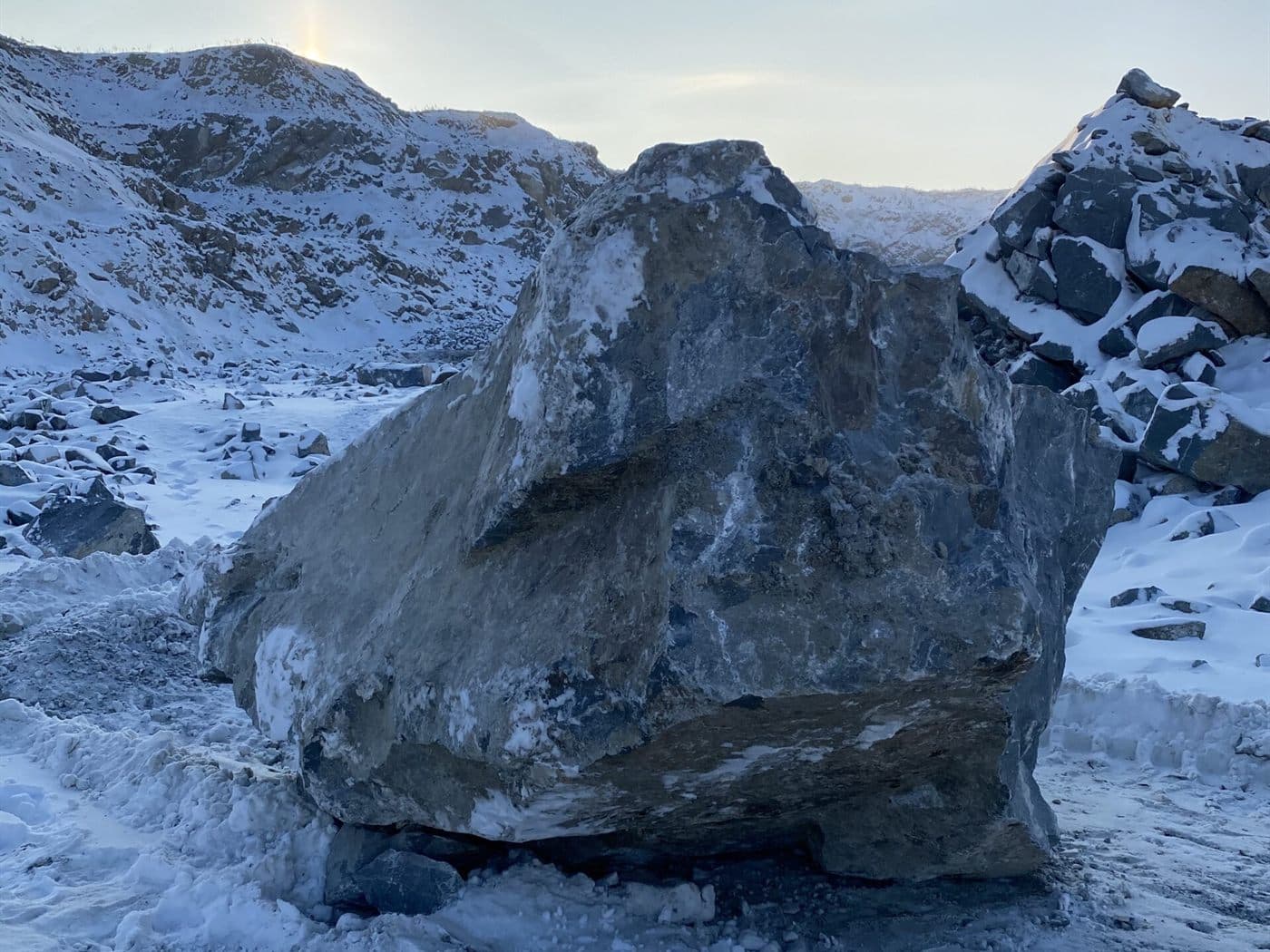
Blocks larger than standard rubble stone. Shipped subject to availability, priced by a manager — the size and the batch volume differ every time.

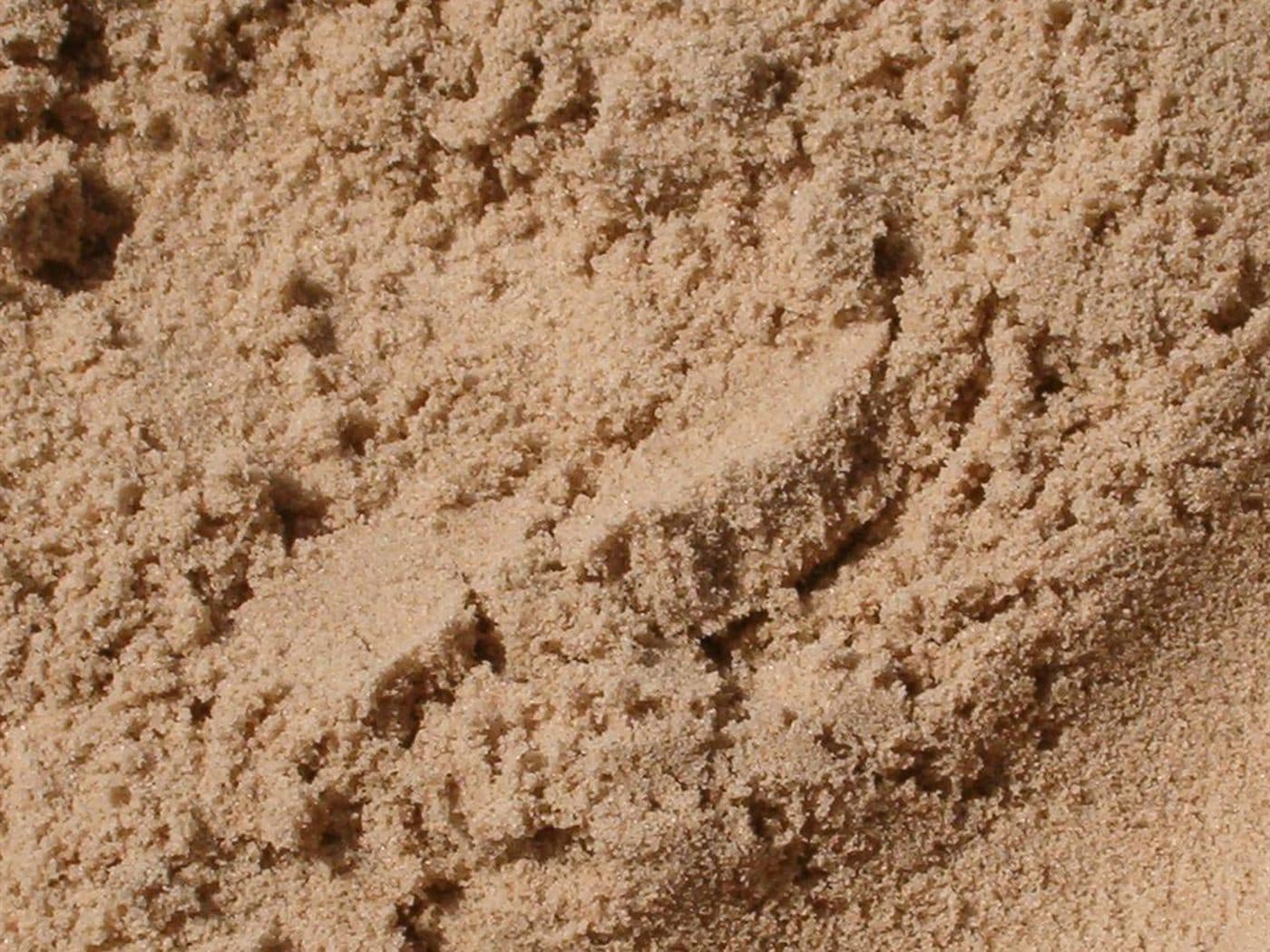
Sand washed free of clay and dust. The clean grain is why it goes into mortars and concrete, where dirt in the sand would spoil the set.

Sand screened by grain size. Consistent grading matters wherever the mix is batched to a recipe and variation is not acceptable.

Technical sand for backfilling. It does not need to be clean — its job is to fill the volume and compact, not to work in a mortar.

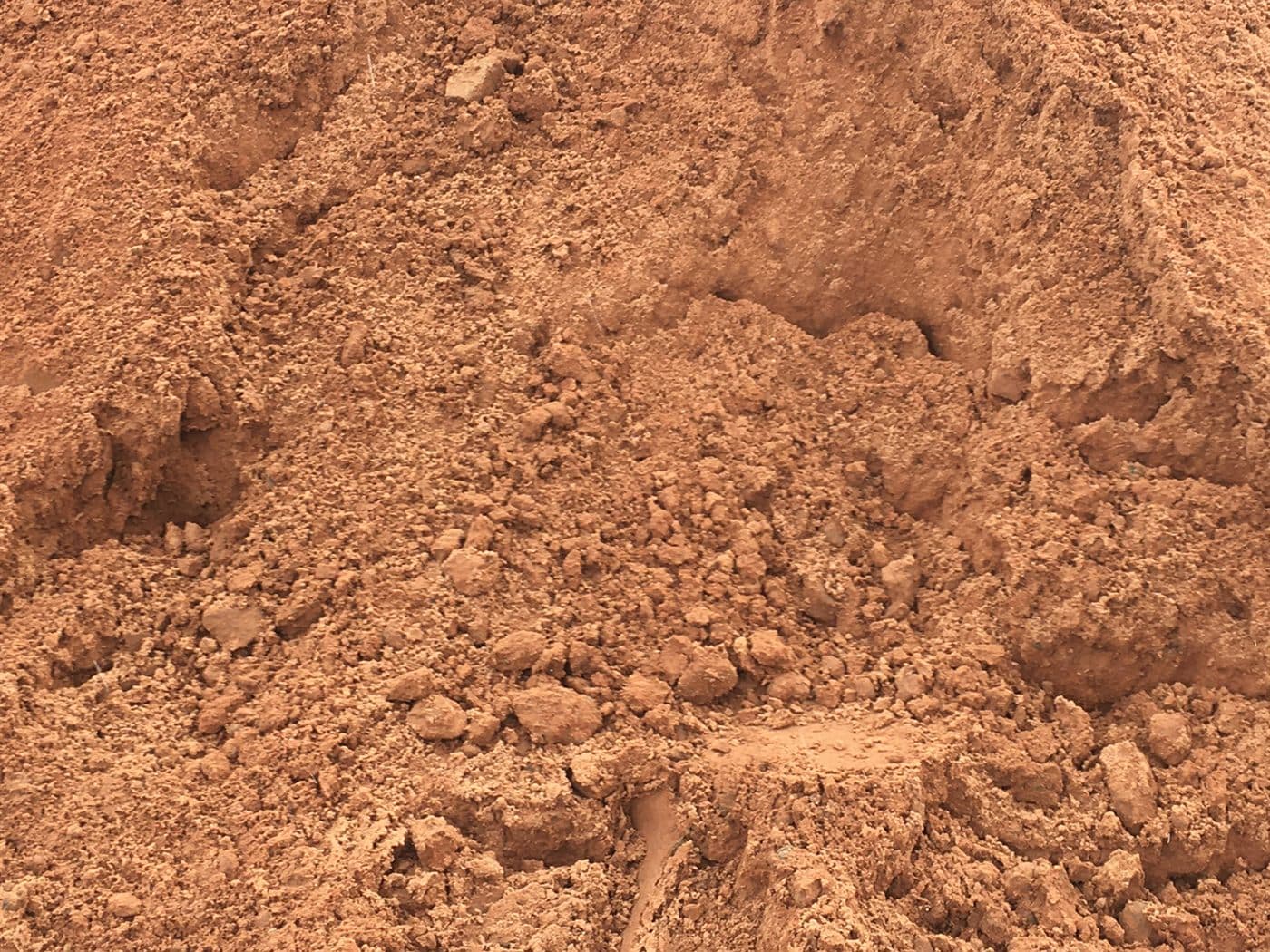
Soil with gruss — the cheapest fill material there is. Used to raise low ground and form temporary access before the main works start.
Cubic metres on the cards are derived from the price per tonne using the material's bulk density — treat them as a guide for estimating volume. Shipping and payment go by the actual weight from the quarry weighbridge.
Describe the job — we will suggest the material and work out delivery. We call back within 10 minutes during working hours, and a quote costs nothing.